Emergency Well Water: Boiling, Storage, and Safety During Disruptions
Well water disruptions can occur unexpectedly through contamination, pump failure, power outages, or drought. Having emergency plans and understanding proper responses protects your family's health and ensures continuity of essential water supplies.
Recognising When Water Is Unsafe
If testing reveals bacterial contamination, assume your water is unsafe for drinking and cooking until treated. Boil water notices are issued when contamination is detected. Visible discolouration, unusual taste, or smell warrant caution – boil water until testing confirms safety. Never assume discoloured water is harmless; some contaminants are invisible.
Boiling Water Correctly
Boiling kills most bacteria and viruses effectively. Bring water to a rolling boil for at least one minute (three minutes above 2,000 metres altitude). Allow cooled boiled water to settle before use – sediment sinks to the bottom. Store boiled water in clean, covered containers. Boiling doesn't remove chemical contaminants, so it's not a solution for nitrate or pesticide contamination; specialised treatment is needed instead.
Emergency Water Storage
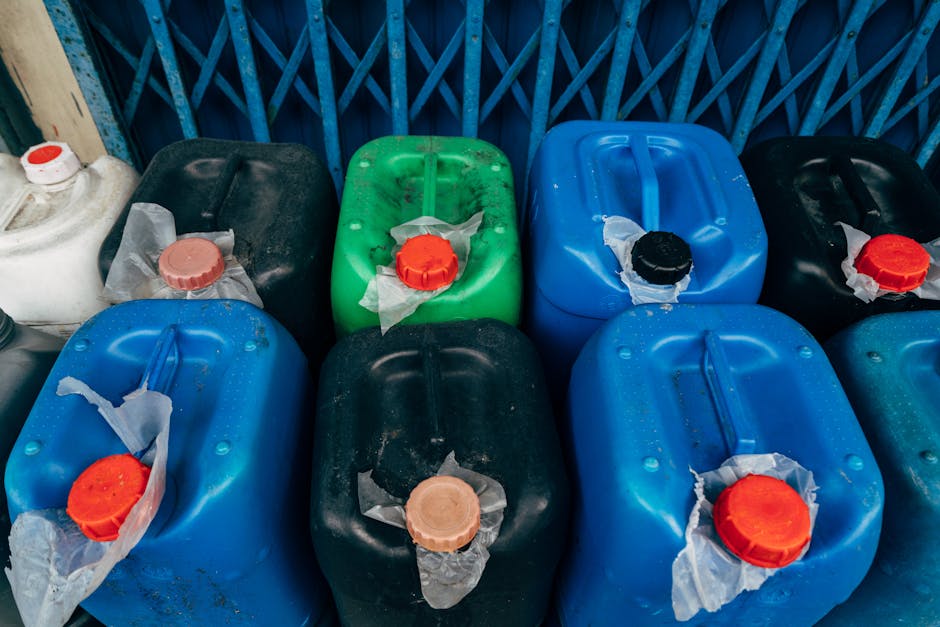
Store at least two litres per person daily for drinking and cooking – more for families with young children, elderly members, or medical needs. Use food-grade containers, never repurpose chemical containers. Store in cool, dark places away from direct sunlight. Change stored water every six months. Properly stored water remains safe for years; rotation ensures freshness.
Alternative Water Sources During Emergencies
Identify backup sources before emergencies occur. Neighbour connections, water company tankers, or bottled water purchases might be necessary. Some people install rainwater harvesting systems for emergency use – these require proper storage and can provide supplementary water. Natural water sources (streams, ponds) require boiling or chemical treatment before use.
Power Outages and Pump Failure
Without power, submersible pumps stop working. This disrupts supply within hours as pressure tanks empty. Battery-backed pumps or generators provide emergency solutions. Keep bottled water stored specifically for power outages. Some people install hand pumps as backup – these work without electricity and provide water access during extended outages.
Chemical Contamination Response
If chemical contamination is detected, boiling is ineffective. Purchase bottled water for drinking and cooking immediately. Avoid using contaminated water for bathing or washing if possible. Contact environmental health authorities for guidance on treatment options. Some systems can be treated, but responses vary depending on contaminant type.
Communicating with Your Family
Ensure everyone understands emergency procedures. Teach children not to drink tap water during alerts. Keep emergency contact numbers for your water supplier, environmental health department, and plumber accessible. Have written instructions posted near taps explaining current restrictions.
Recovery and Return to Normal
After contamination is treated, flush your system thoroughly before resuming normal use. Run all taps for several minutes to clear pipes. Request confirmation from environmental health that water is safe before stopping precautions. Keep records of incidents for future reference and insurance purposes.